RCM Connections Bi-Weekly Newsletter
Who Changed Jobs in RCM
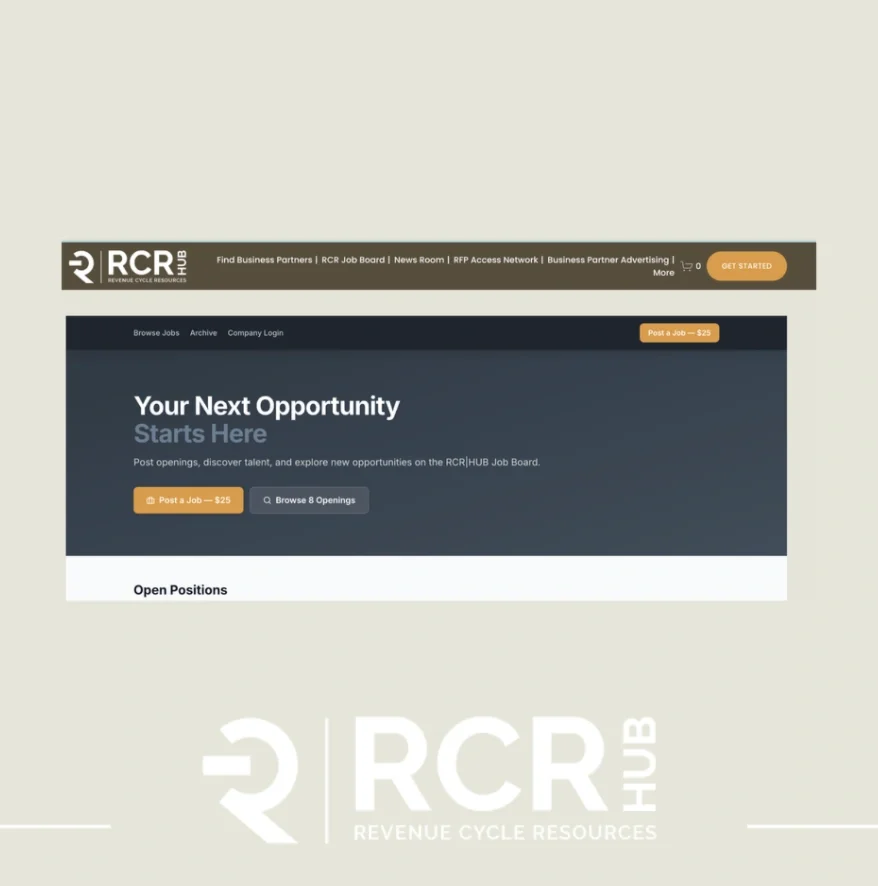
Available RCM Positions
Your Revenue Cycle YouTube Channel
Before hiring a denial management company, ask about five things: proven recovery rates in your specialty, how their workflow connects to your EHR and clearinghouse, who actually works your claims, how they price their work, and what happens to root-cause data after a denial is overturned. A vendor that answers all 25 questions below without hesitation is worth shortlisting. A vendor that stumbles on pricing or staffing questions usually has something to hide.
The clearest red flags in a medical billing company are pricing that cannot be explained in one page, refusal to name the team that will work your account, no SOC 2 report or hesitation about signing a BAA, contracts with auto-renewal and punitive exit terms, guarantees of specific collection percentages before seeing your data, and references that all date from the same two-year window. Any one of these deserves a hard follow-up question. Two or more means keep looking.
A patient cost estimator combines a provider's negotiated payor rates, the patient's real-time benefits (deductible remaining, coinsurance, out-of-pocket max), and the expected services to produce a personalized out-of-pocket estimate before care is delivered. Hospitals use them to meet price transparency and good faith estimate requirements, to collect more at the point of service, and to reduce billing surprises. They are provided by dedicated estimate vendors, patient access platforms, EHR modules, and clearinghouses, each with different accuracy trade-offs.